
 Home
Home About us
 Products
 Contact
 News
News
Turmeric has long been recognized as a familiar ingredient in Asian cuisine. From everyday meals to regional specialties, it not only adds color and flavor but also contributes to a sense of natural balance in food.
In recent years, alongside the growing global demand for healthier food options, turmeric has gained increasing attention beyond traditional markets. It is now widely incorporated into modern food applications across Europe and North America.
The role of turmeric in modern consumption trends
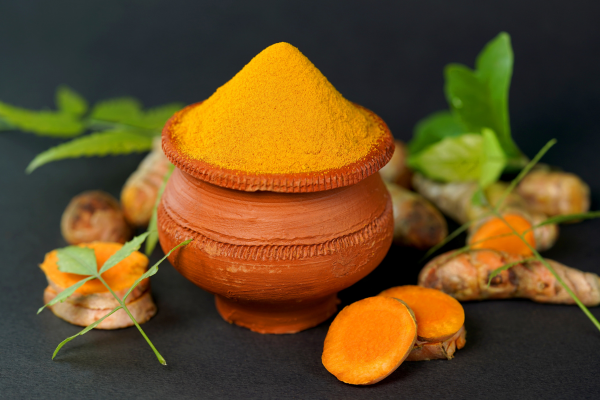
In many countries, turmeric is closely associated with natural ingredients and a health-oriented lifestyle.
In markets such as India, Vietnam, Thailand, Malaysia and Indonesia, turmeric has been used in cooking for generations. Meanwhile, in Western countries, it is increasingly featured in functional foods, beverages, and clean-label product lines.
This shift reflects a clear consumer trend: a preference for products made from natural ingredients, with simple compositions and added value in terms of health perception.
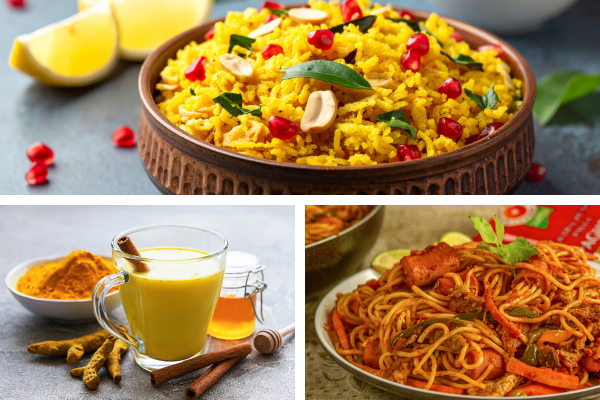
Expanding applications of turmeric in the food industry
As consumer demand evolves, turmeric is no longer limited to its traditional role as a spice.
It is increasingly integrated into a wide range of food products as a key ingredient, offering new experiences while maintaining familiarity in usage.
One notable direction is the incorporation of turmeric into staple food products — items that are regularly used in daily meals.
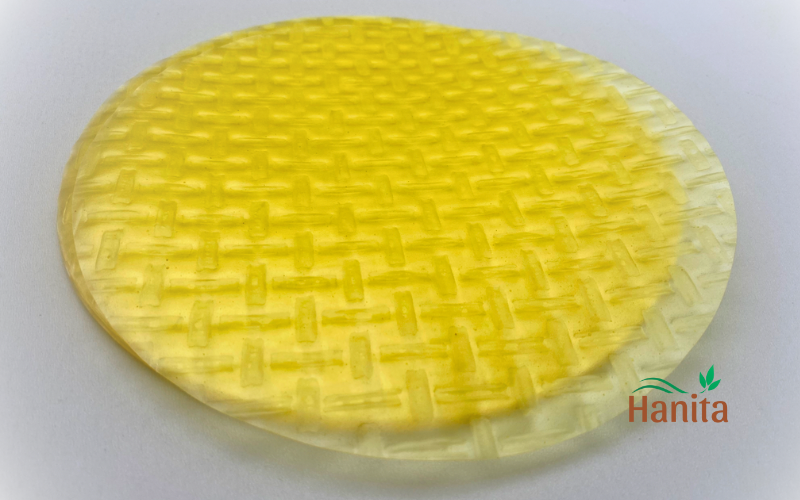
Turmeric rice paper – a promising product development
Turmeric rice paper is a representative example of this trend. Made from a combination of rice, tapioca starch and turmeric powder, the product offers a naturally appealing yellow color and a mild flavor that pairs well with various ingredients.
At the same time, it retains the essential characteristics of traditional rice paper, including flexibility, elasticity, and versatility in food preparation.
This makes it suitable for a wide range of applications such as fresh spring rolls, vegetarian wraps, and modern fusion dishes.
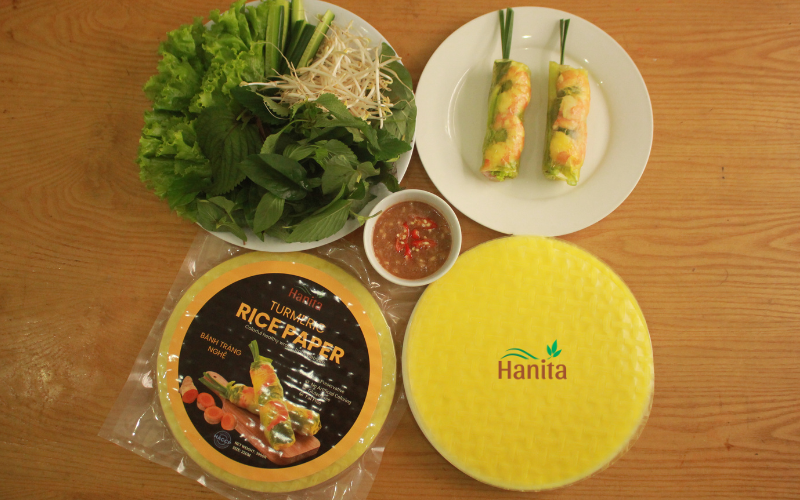
Hanita turmeric rice paper – a reliable solution for export markets
Hanita has developed its turmeric rice paper line with a focus on international markets, emphasizing consistency and practical usability.
The product meets key expectations of importers:
- Stable texture and flexibility, minimizing tearing during use
- Consistent production quality
- Compatibility with diverse culinary styles
As a result, turmeric rice paper has become one of Hanita’s best-performing product lines, particularly in markets targeting Asian consumers and health-conscious segments.
Conclusion
As global consumers increasingly seek products that combine traditional ingredients with modern food trends, turmeric is becoming a key foundation for innovation in the food industry.
Turmeric rice paper is not merely a variation of a traditional product, but a practical solution aligned with current market demands — offering familiarity, versatility, and added value.
For importers and distributors, it represents a promising opportunity to diversify product portfolios with a distinctive and trend-aligned offering.




CÓ THỂ BẠN QUAN TÂM
Fresh Spring Rolls in Thailand: Colorful Twists on a Vietnamese Classic
How Many Types of Rice Paper Does Vietnam Have? The Story of a Humble Dish Carrying the Vietnamese Soul
Why Vietnamese Spring Rolls Are Becoming Malaysia’s New Food Trend?
Turmeric Rice Paper – A New Choice for Healthy Eating and Wrap Lovers
Hanita Rice Paper and Its Journey into the Japanese Market