
 Home
Home About us
 Products
 Contact
 News
News
How much does a Fresh Spring Roll cost in Thailand? 29 baht, 49 baht, or even 89 baht? And what makes a simple rice paper roll so remarkably appealing?
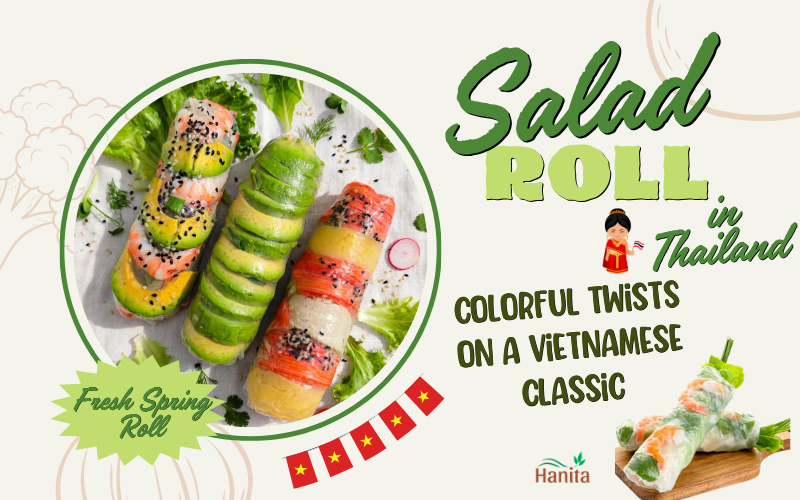
If you are familiar with Vietnamese cuisine, you will immediately recognize its resemblance togỏi cuốn (Vietnamese fresh spring rolls). However, in Thailand, this dish is taking on a unique twist: vibrant, modern, visually striking, and widely known asSalad Roll (สลัดโรล).
A thin sheet of rice paper wraps fresh greens, shrimp, eggs, meat, or salmon into neat bite-sized rolls, served with signature Thai dipping sauces like green or red Thai chili sauce.
Fresh Spring Roll and Salad Roll: From a Familiar Idea to New Iterations
“Fresh Spring Roll” generally refers to fresh rolls wrapped in rice paper and stuffed with vegetables and various fillings. In Vietnam,gỏi cuốn traditionally features shrimp, pork, rice vermicelli, and fresh herbs.
Crossing into Thailand, the fresh spring roll concept transforms into diverse Salad Roll variations—much like in Malaysia, where a similar version is called the “Vietnam Roll.”
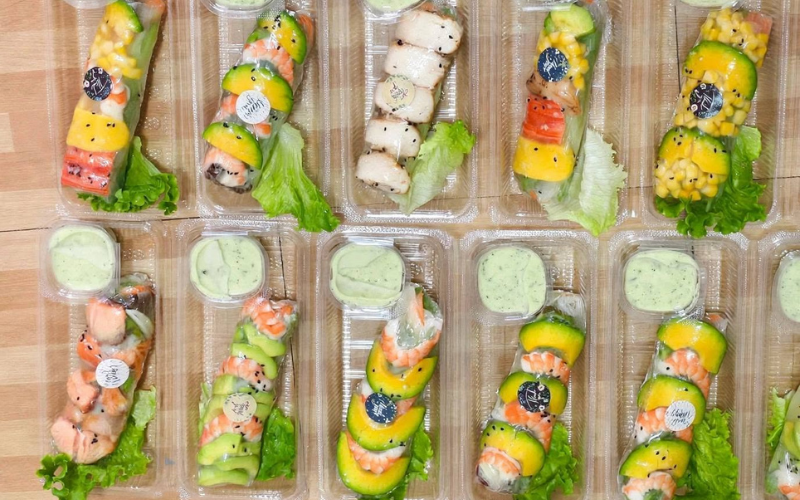
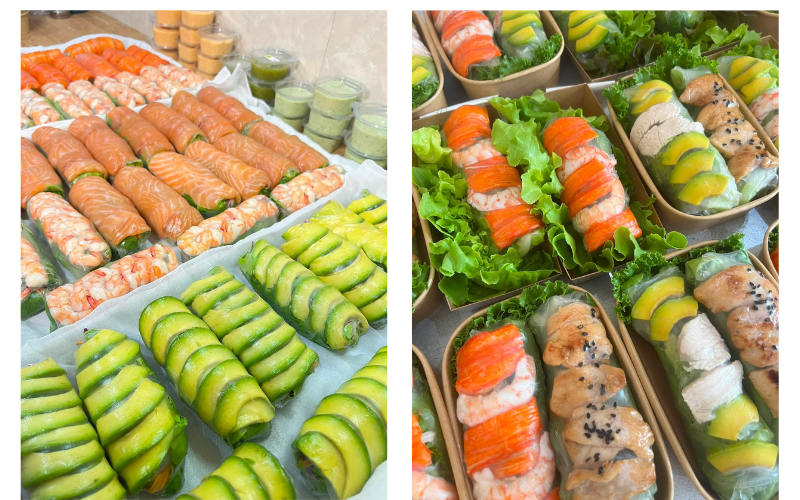
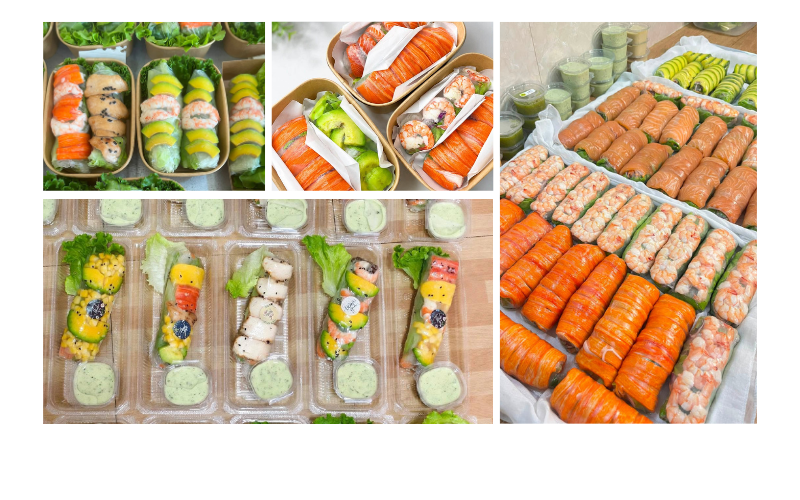 Popular Salad Roll varieties in Thailand include shrimp, salmon, crab sticks, chicken, eggs, and avocado paired with greens, carrots, purple cabbage, and various fresh produce, creating striking, colorful layers. These creations are clearly more than quick meals; they are meticulously crafted and visual showstoppers.
How Much Does a Fresh Spring Roll / Salad Roll Cost in Thailand?
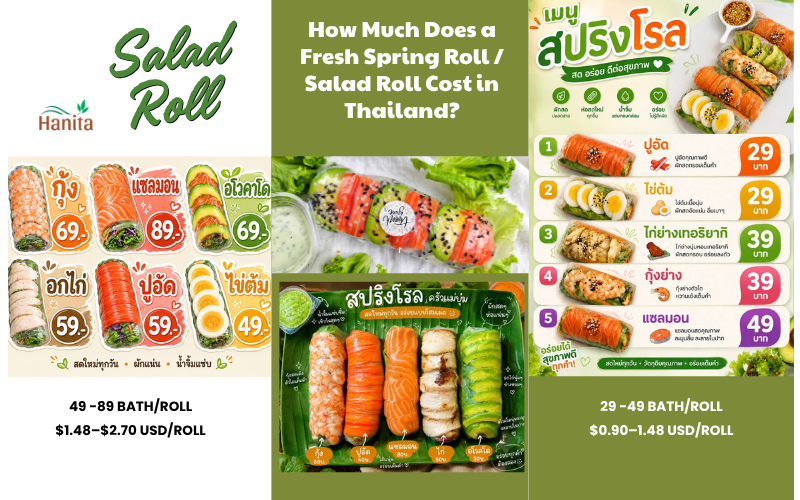
The pricing often surprises many Vietnamese travelers. Menu prices across Thailand range quite widely:29 to 89 baht per roll (approx. 23,000–71,000 VND / $0.90–$2.70 USD).
Prices vary based on ingredients, portion size, presentation, and market segment. For instance:
- Crab stick or egg rolls: 29–49 baht
- Shrimp, salmon, or salmon-avocado combos: Higher price points
Beyond ready-to-eat products, online communities in Thailand offer Salad Roll workshops for around 150 baht (~120,000 VND). Consumers are not just buying a fresh roll to eat—they are learning how to make and monetize it.
What Makes Salad Rolls So Eye-Catching?
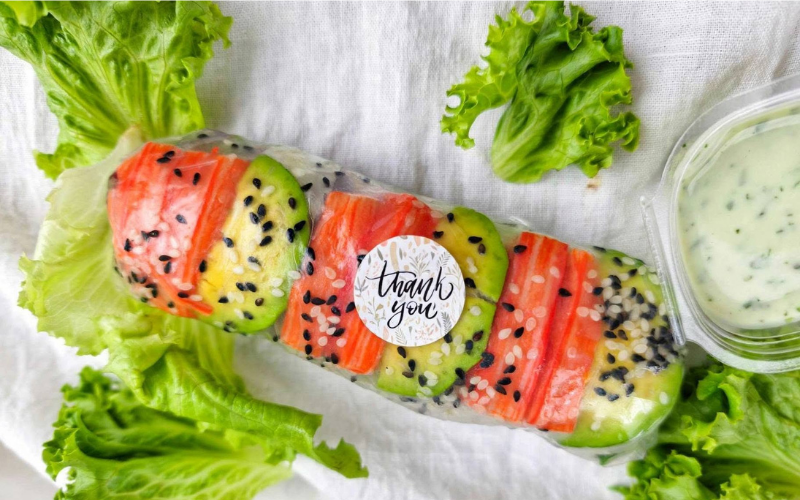
The secret lies in the color contrast:
- Salmon rolls: Bright orange salmon pops against green vegetables.
- Shrimp rolls: Vibrant reddish-orange shrimp sits right beneath the translucent rice paper.
- Egg rolls: Yellow and white sliced hard-boiled egg rounds create an iconic pattern.
- Salmon & avocado: Natural orange and green form a striking contrast.
Using everyday ingredients, makers turn a simple snack into a high-aesthetic experience—a massive advantage in an era where food presentation is part of the dining experience.
Creativity Rooted in Vietnamese Gỏi Cuốn
The most fascinating aspect of Thai Salad Rolls is that they aren’t an alien concept. The foundation remains close to Vietnamesegỏi cuốn: rice paper wrappers, fresh greens, and fillings like shrimp, meat, eggs, or seafood. The innovation lies in ingredient selection, layout, visual arrangement, and dipping sauces.
It serves as a prime example of culinary localization—taking a classic recipe and reinventing it to suit local palates, visual trends, and business models.
From Healthy Snack to Micro-Business
Salad Rolls offer low barriers to entry: prep vegetables, pick fillings, wrap in rice paper, package, and sell directly or online.
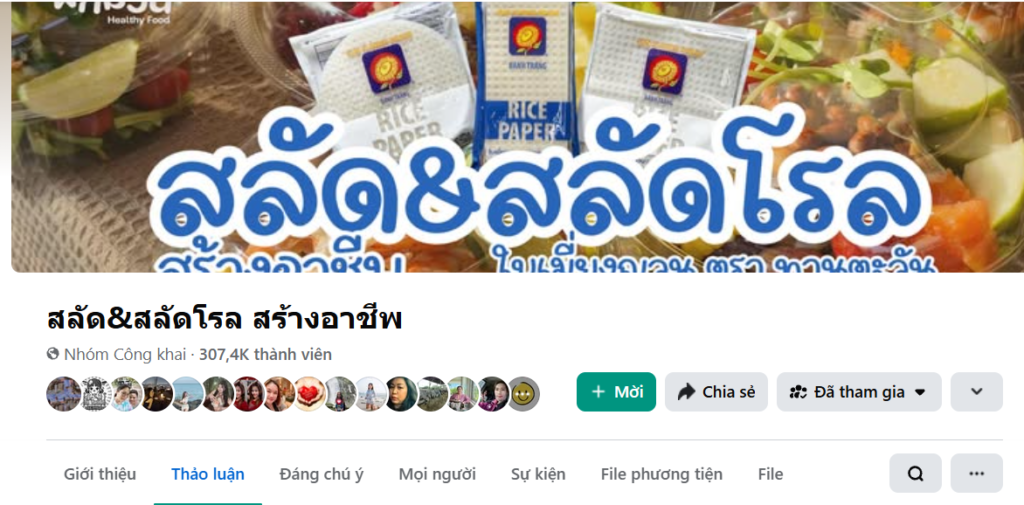
Because wrapper technique and ingredient selection matter, active Facebook groups in Thailand (some with over 300,000 members) share recipes and business tips. This reveals a compelling trend: the roll is no longer just a dish, but a learnable skill for launching micro-enterprises. This model holds equal potential in Vietnam, targeting health-conscious office workers.
Why Fresh Spring Rolls Are Social Media Gold
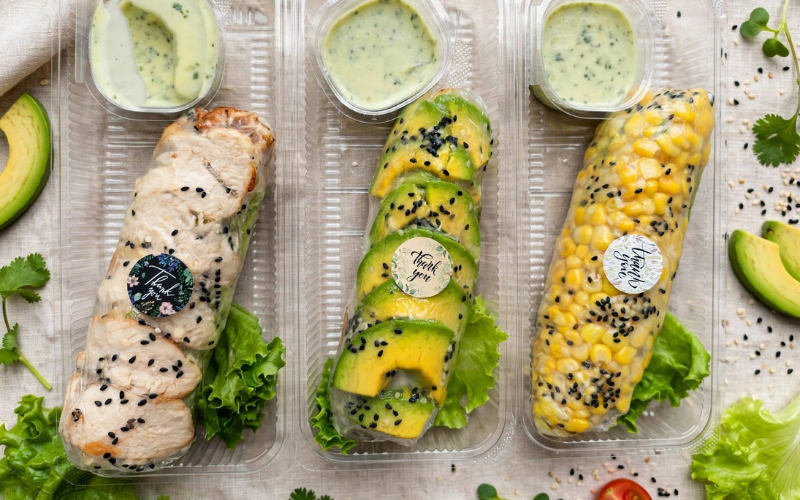
The formula is simple:They are beautiful and healthy. A vibrant box of fresh rolls framed by translucent rice paper makes for instant, scroll-stopping content. The entire process—from prepping colorful ingredients and layering them to the final roll—is inherently shareable via photos and short videos.
It All Starts with Quality Vietnamese Rice Paper
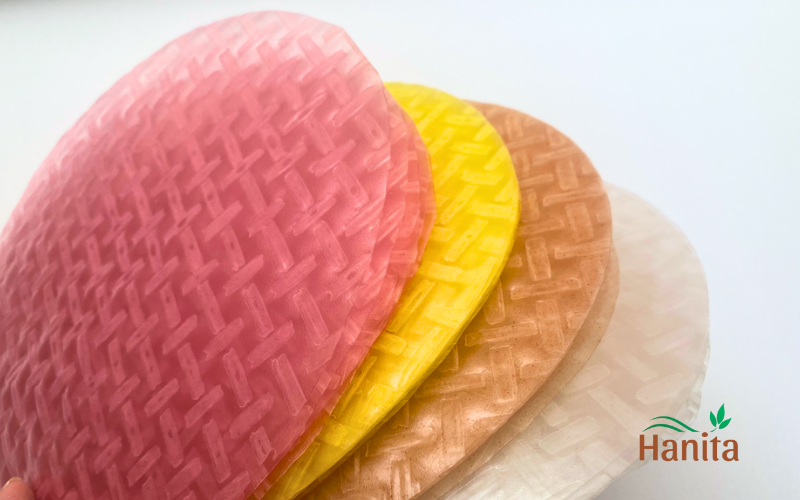
Creating an attractive Salad Roll relies heavily on wrapper quality:
- Flexibility & Strength: Must hold generous fillings without tearing.
- Ease of Softening: Allows fast, efficient assembly.
- Clarity & Uniformity: Showcases the vivid ingredients inside clearly.
For commercial vendors, consistent rice paper ensures uniform products across every batch. It is not just an ingredient; it is the foundation of the dish.
Vietnamese Gỏi Cuốn to Thai Salad Roll: Continuous Culinary Innovation
Traditionalgỏi cuốn holds a timeless place in Vietnamese food culture. Meanwhile, Thai Salad Rolls present a fresh, colorful, modern approach tailored for visual appeal and micro-entrepreneurship
Both approaches showcase how traditional ingredients can continuously evolve in new markets. Same rice paper, same rolling technique, but different cultural stories.
Hanita Foods – Vietnamese Rice Paper Natural Taste, Colorful Life.
AtHanita Foods, we believe Vietnamese rice paper transcends traditional cooking to inspire modern global culinary trends. Contact us for consultations and quotes:
Hana Nguyen: (+84) 966 942 449 (Zalo / WhatsApp)




CÓ THỂ BẠN QUAN TÂM
Fresh Spring Rolls in Thailand: Colorful Twists on a Vietnamese Classic
How Many Types of Rice Paper Does Vietnam Have? The Story of a Humble Dish Carrying the Vietnamese Soul
Why Vietnamese Spring Rolls Are Becoming Malaysia’s New Food Trend?
Turmeric Rice Paper – A New Choice for Healthy Eating and Wrap Lovers
Hanita Rice Paper and Its Journey into the Japanese Market