
 Home
Home About us
 Products
 Contact
 News
News
A few years ago, if you walked through a night market in Malaysia, you would most likely find satay, nasi lemak, burgers, and countless other familiar street foods. These dishes have long been part of Malaysia’s vibrant food culture and remain popular among locals and tourists alike.
Today, however, another dish is attracting long queues of customers and generating millions of views on social media. It is not a local specialty, nor is it a newly invented food trend. Instead, it is a traditional Vietnamese dish that has quietly found its way into the hearts of Malaysian consumers.
That dish is the Vietnamese Spring Roll, known in Vietnam asGỏi Cuốn.
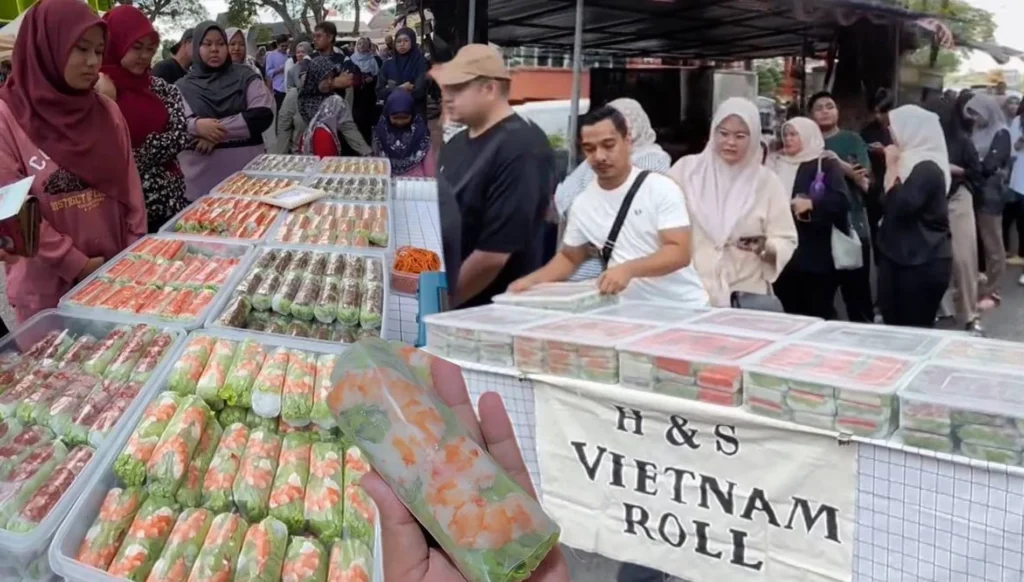
Wrapped in a thin sheet of rice paper and filled with fresh vegetables, rice vermicelli, herbs, and various proteins, Vietnamese spring rolls have become one of the most talked-about food trends in Malaysia. From food trucks and night markets to cafés and social media platforms, their popularity continues to grow at an impressive pace.
So, what exactly is driving this trend?The answer lies in a combination of changing consumer preferences, social media influence, and the growing demand for healthier food options.
A Shift Toward Healthier Eating
Over the past decade, consumers have become increasingly conscious of what they eat. As lifestyles become busier, people are looking for foods that are not only convenient but also fresh, balanced, and nutritious.This shift has created opportunities for food concepts that align with modern eating habits, and Vietnamese spring rolls fit perfectly into this movement.
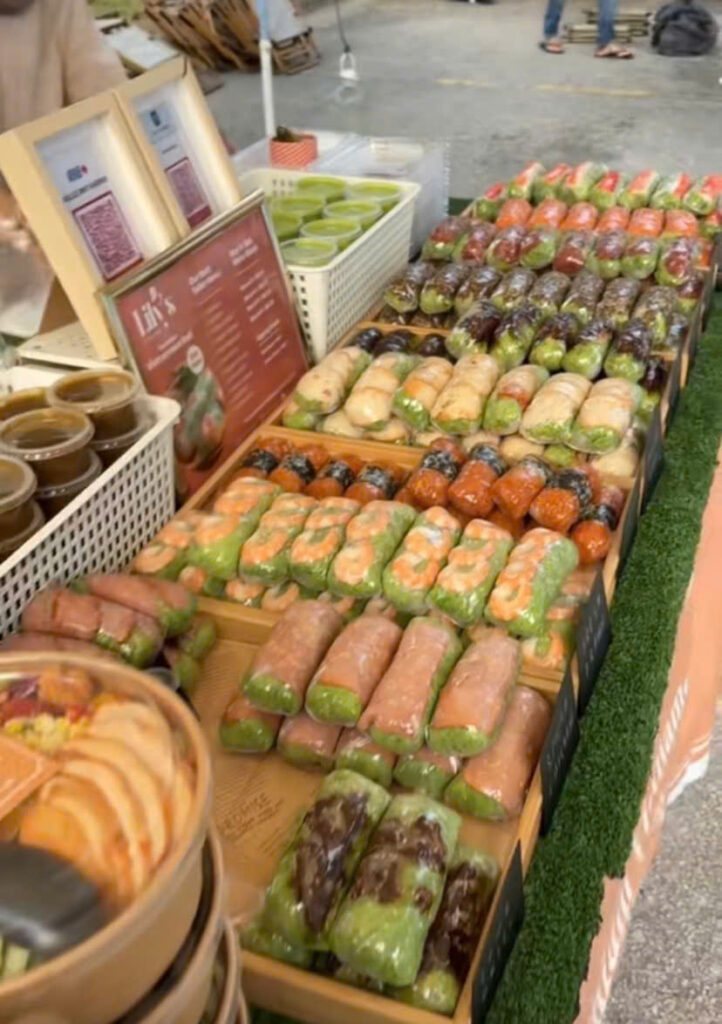
Unlike many popular street foods that are deep-fried or heavily processed, Vietnamese spring rolls are made with fresh ingredients. Crisp vegetables, rice vermicelli, aromatic herbs, and proteins such as shrimp, chicken, beef, or seafood are carefully wrapped in rice paper to create a meal that feels light yet satisfying.
For many consumers, especially younger generations, the appeal goes beyond taste. Vietnamese spring rolls are often perceived as a healthier alternative to traditional fast food, making them particularly attractive to people who want to enjoy delicious food without feeling guilty afterward.As healthy eating continues to gain momentum across Southeast Asia, it is no surprise that Vietnamese spring rolls have found a receptive audience in Malaysia.
A Food That Was Made for Social Media
While health may have helped introduce Vietnamese spring rolls to Malaysian consumers, social media has played a major role in accelerating their popularity.In today’s digital world, people often discover new foods through TikTok, Instagram, Facebook, and YouTube before they ever see them in a restaurant.Vietnamese spring rolls have one significant advantage in this environment: they are visually appealing.
The transparent rice paper reveals every ingredient inside. Bright green lettuce, orange carrots, pink shrimp, purple cabbage, and fresh herbs combine to create a colorful and attractive presentation. Each roll looks fresh, vibrant, and carefully crafted.
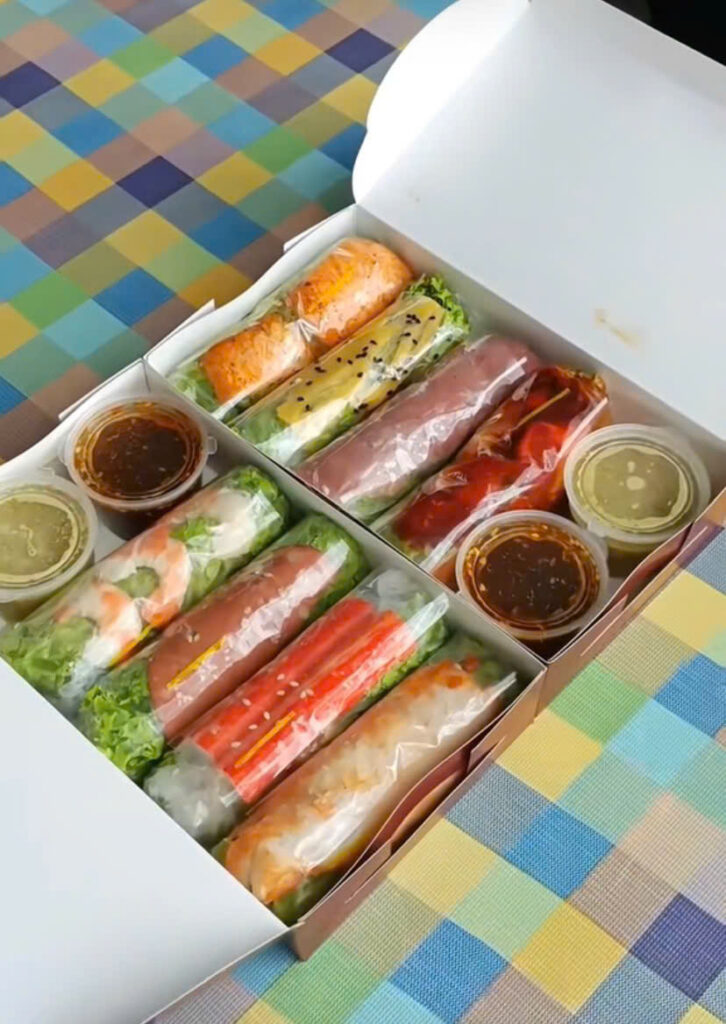
In many ways, Vietnamese spring rolls are as photogenic as they are delicious.
The preparation process itself is equally captivating. Watching ingredients being arranged neatly before being rolled into a perfectly wrapped spring roll creates satisfying content that performs exceptionally well on social media.For many Malaysians, their first introduction to Vietnamese spring rolls did not happen through a restaurant menu. It happened while scrolling through their phones.As more food creators and businesses continue to share videos and photos online, the trend continues to expand to new audiences.
A Vietnamese Dish Adapted to Local Tastes
One of the most interesting aspects of the Vietnamese spring roll trend in Malaysia is how it has evolved to suit local preferences.Rather than strictly following the traditional recipe, many vendors have adapted the dish to better match Malaysian tastes and dietary habits.
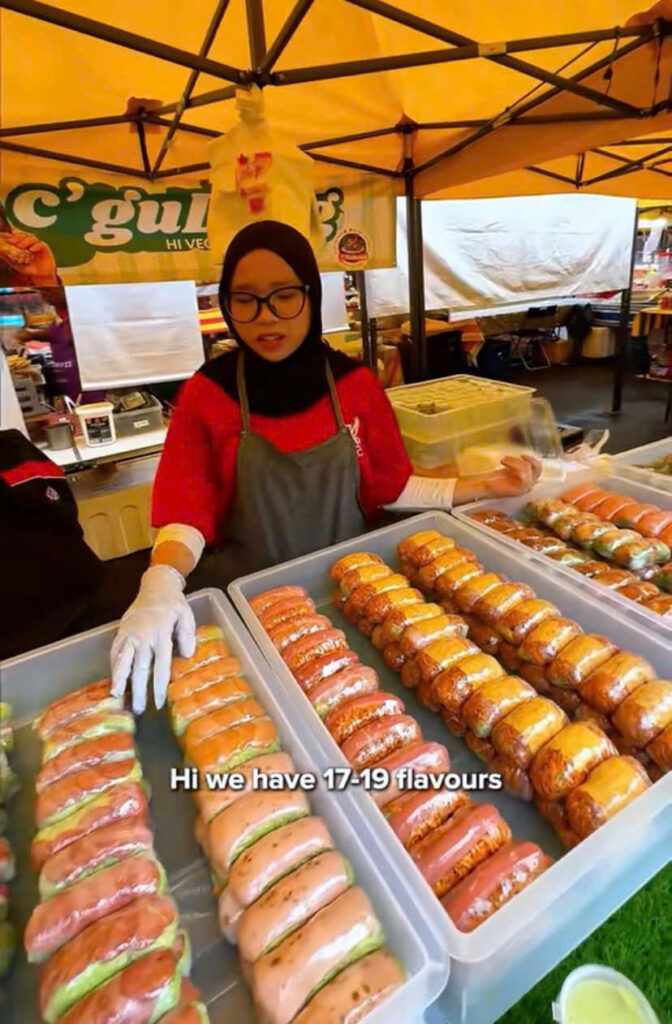
Since the majority of Malaysians do not consume pork, alternative ingredients such as chicken, beef, seafood, and other locally preferred proteins are commonly used. Some vendors even create fusion versions featuring unique combinations inspired by local flavors.This flexibility has helped Vietnamese spring rolls appeal to a much broader audience.Instead of being seen as a niche Vietnamese dish, it has become a versatile food concept that allows businesses to be creative while maintaining the fresh and healthy characteristics that made the dish popular in the first place.Customers appreciate having choices, and Vietnamese spring rolls offer endless opportunities for customization.
More Than a Food Trend
For food entrepreneurs and businesses, the rise of Vietnamese spring rolls represents more than just a popular menu item.It represents a growing business opportunity.The product offers several advantages that make it attractive for food service operators. It is visually appealing, relatively easy to customize, suitable for takeaway and delivery, and aligned with modern consumer preferences.
Whether sold from a food truck, a café, a healthy food outlet, or a night market stall, Vietnamese spring rolls can easily fit into different business models.As a result, more businesses across Malaysia are incorporating spring rolls into their menus and developing unique concepts around them.The growing demand has also created increased interest in one essential ingredient: rice paper.
Could Colorful Rice Paper Be the Next Chapter?
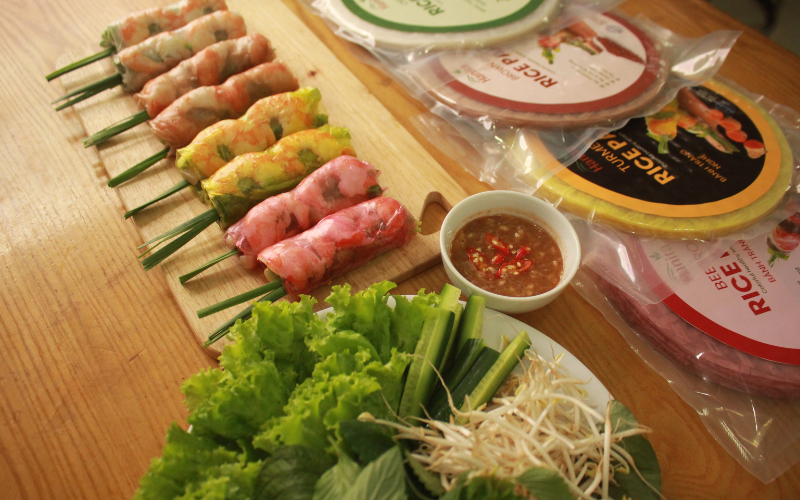
As competition increases, businesses are constantly searching for new ways to stand out.This is where colorful vegetable rice paper may play an important role in the future of the category.Imagine a Vietnamese spring roll wrapped in naturally colored rice paper made from beetroot, turmeric, or green vegetables.
The result is a product that is not only delicious but also even more visually striking.These colorful variations instantly attract attention and create a more memorable dining experience.For content creators, they provide fresh opportunities for engaging photos and videos. For restaurants and retailers, they offer a way to differentiate products from competitors. For consumers, they create a more exciting and visually appealing food experience.As healthy eating, natural ingredients, and social media continue to influence purchasing decisions, colorful rice paper could become the next evolution of the Vietnamese spring roll trend in Malaysia.
From Vietnam to Malaysia
The story of Vietnamese spring rolls in Malaysia demonstrates how food can travel across borders, adapt to different cultures, and create new opportunities along the way.What began as a traditional Vietnamese dish has successfully evolved into one of Malaysia’s most exciting food trends. Its popularity reflects changing consumer habits, growing interest in healthier lifestyles, and the powerful role that social media now plays in shaping food culture.And judging by its continued growth, the story is far from over.
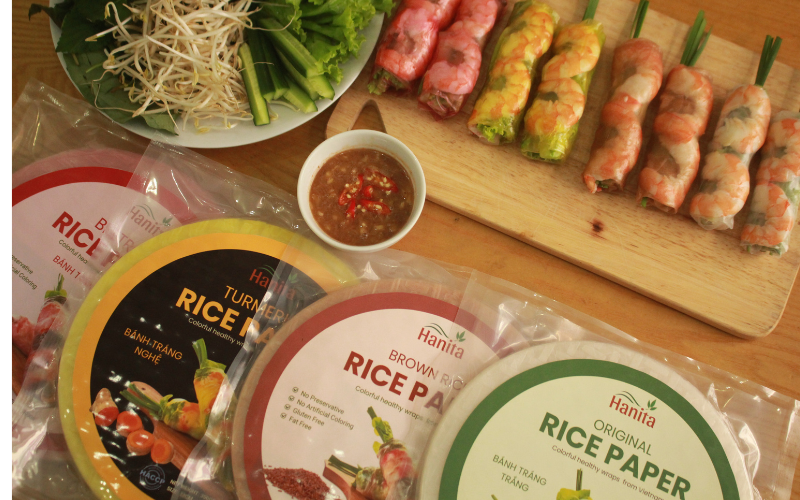
At Hanita Foods, we believe that the growing popularity of Vietnamese spring rolls presents an exciting opportunity not only for Vietnamese cuisine but also for innovative rice paper products. From beetroot rice paper and turmeric rice paper to colorful vegetable rice paper and other rice-based specialties, we are proud to share the creativity and authenticity of Vietnamese food culture with consumers around the world.




CÓ THỂ BẠN QUAN TÂM
Fresh Spring Rolls in Thailand: Colorful Twists on a Vietnamese Classic
How Many Types of Rice Paper Does Vietnam Have? The Story of a Humble Dish Carrying the Vietnamese Soul
Why Vietnamese Spring Rolls Are Becoming Malaysia’s New Food Trend?
Turmeric Rice Paper – A New Choice for Healthy Eating and Wrap Lovers
Hanita Rice Paper and Its Journey into the Japanese Market